
Loading...
Loading...
Loading...
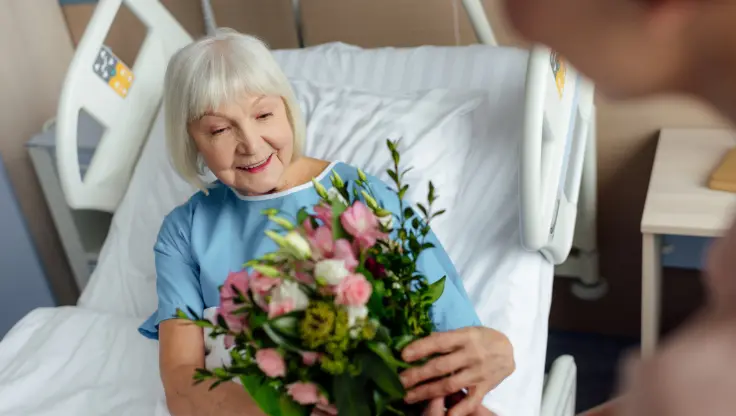
Sending flowers to someone recovering from illness, surgery, or emotional distress is more than just a tradition—it's a meaningful act backed by science. Flowers have been shown to positively affect emotional well-being, especially during recovery.
In this article, we explore how and why flowers can help heal not just the body, but the mind.
Flowers engage multiple senses—sight, scent, and sometimes touch—all of which stimulate positive emotional responses in the brain.
According to a Rutgers University study, participants who received flowers reported genuine smiles and long-lasting happiness, even days after receiving them.
When a person receives flowers, the brain responds in a deeply emotional way. Here's how:
Receiving flowers triggers dopamine and serotonin production—key neurotransmitters responsible for pleasure and mood regulation.
Impact:
Studies show that patients exposed to natural elements, including flowers, experience lower cortisol levels—meaning they feel less stress.
In hospital settings, this translates to:
These studies suggest that flowers are more than decorative—they are part of a healing environment.
While physical healing is often measurable, emotional recovery is more subtle. Feelings of isolation, fear, and fatigue can weigh heavily on someone's spirit during recovery. This is where flowers shine—not as medicine, but as emotional anchors.
They offer:
Hospitals and care centers can feel clinical and cold. A well-placed bouquet changes the tone of the room:
Bedside Bouquets specializes in delivering flowers that are designed specifically for hospital settings—compact, allergy-friendly, and full of life.
If you're considering sending flowers to someone recovering, follow these tips:
At Bedside Bouquets, we combine emotional insight with floral expertise:
We believe that flowers should do more than sit in a vase. They should lift spirits, support recovery, and show love—even from a distance.
Flowers are more than gifts—they are tools for recovery, rooted in both tradition and neuroscience. When you send flowers, you're not just brightening a room. You're helping someone heal.
Send healing. Send beauty. Send connection.
Send Bedside Bouquets.
A flower can't heal, but when it carries your love, it becomes more than petals and stems. It becomes a whisper of hope, a gentle reminder that they're not alone. In every bloom, your care travels across the distance — bringing comfort and strength.